Introduction
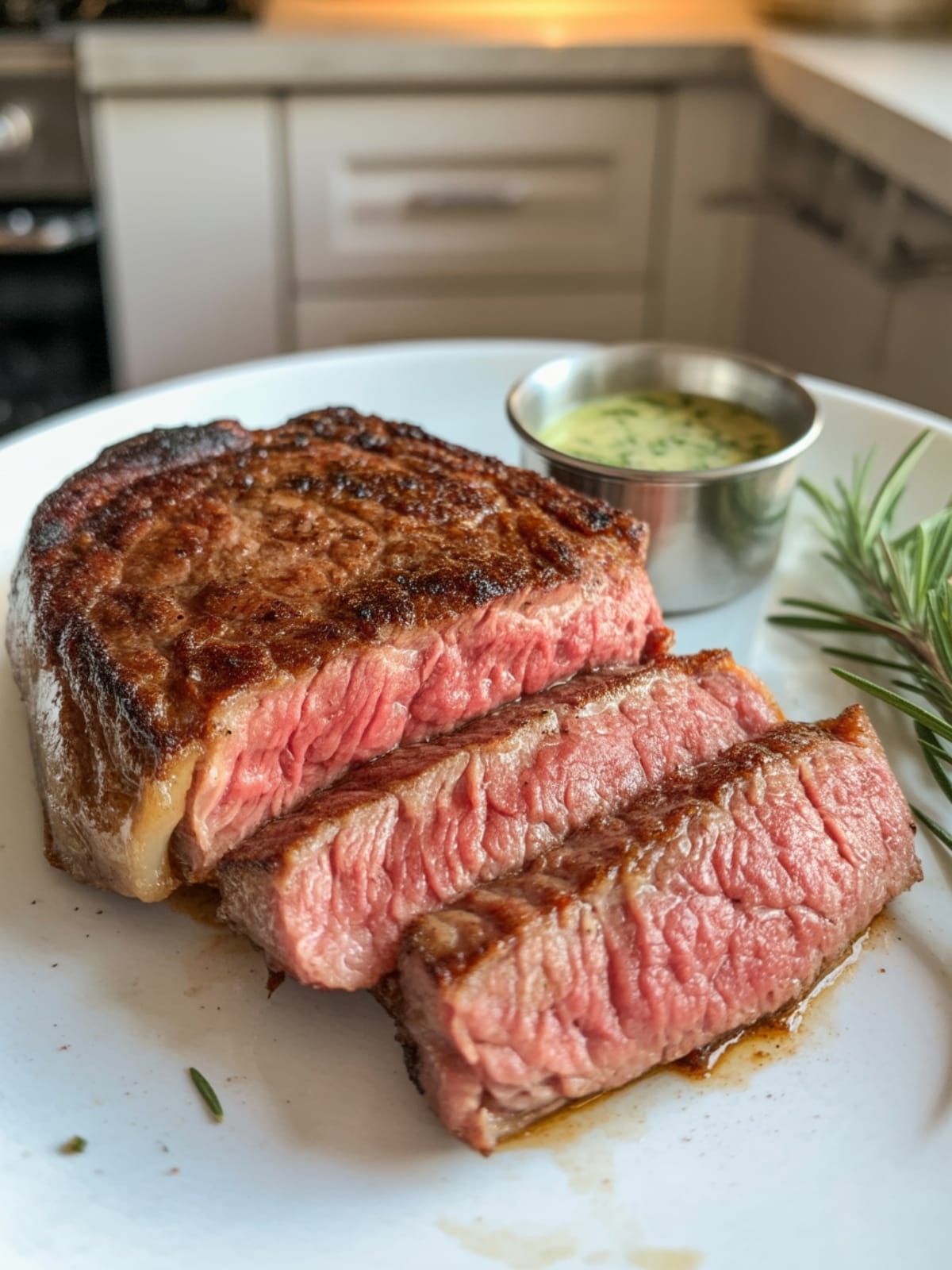
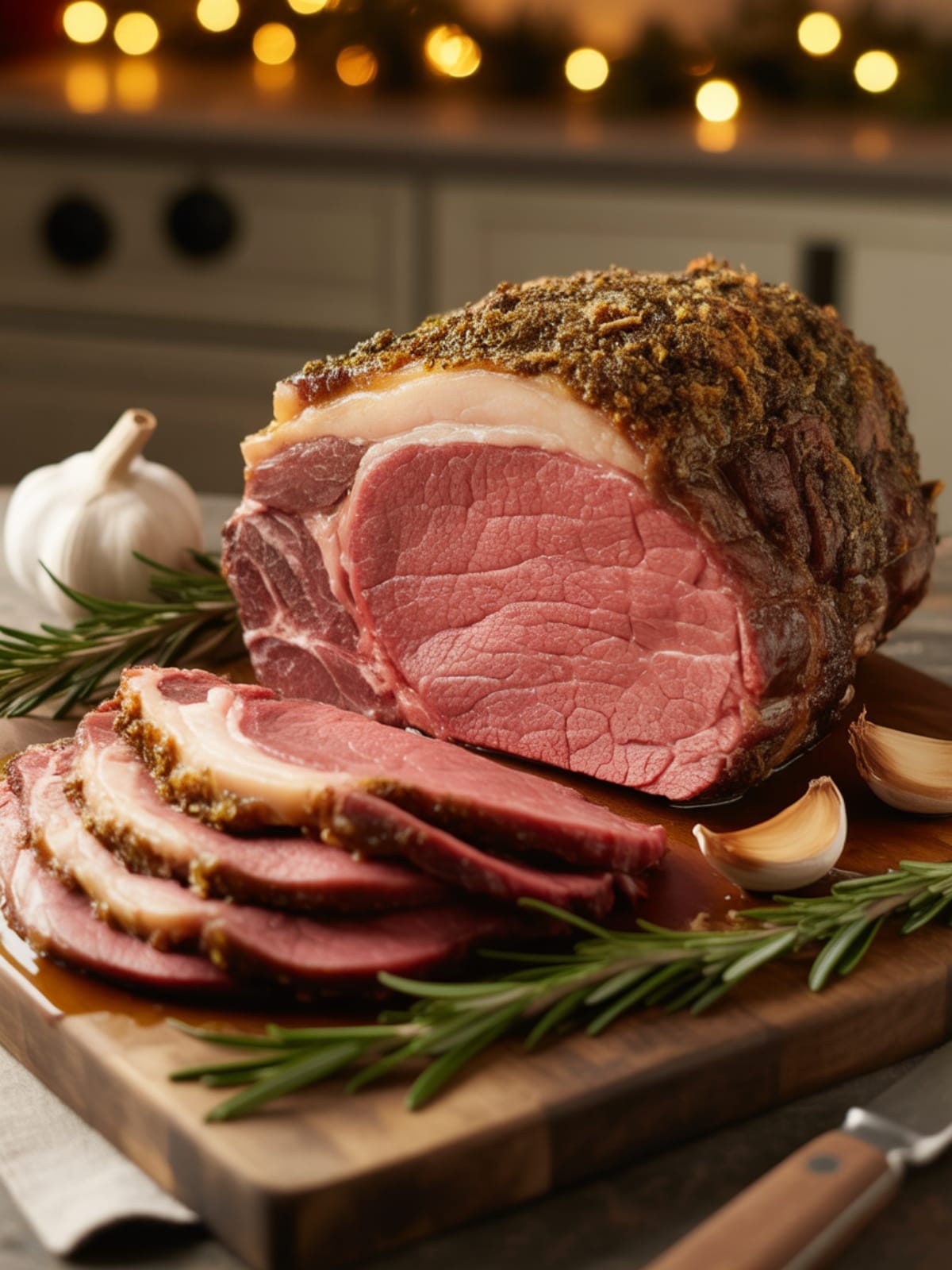
There’s something truly magical about the moment you slice into a perfectly cooked boneless prime rib roast – that first glimpse of the rosy pink center surrounded by a savory, herb-crusted exterior. It’s the centerpiece that makes everyone at the table fall silent in anticipation. While it might seem intimidating, creating this show-stopping masterpiece in your home kitchen is absolutely achievable, even if you’re not a professional chef.
I remember my first attempt at cooking a prime rib years ago – I was terrified of ruining such an expensive cut. But that first bite of buttery, tender beef convinced me that mastering this recipe was worth every minute spent learning the technique. Let me share the secrets to creating this celebration-worthy dish that will have your guests raving for years.
Why This Recipe is Awesome
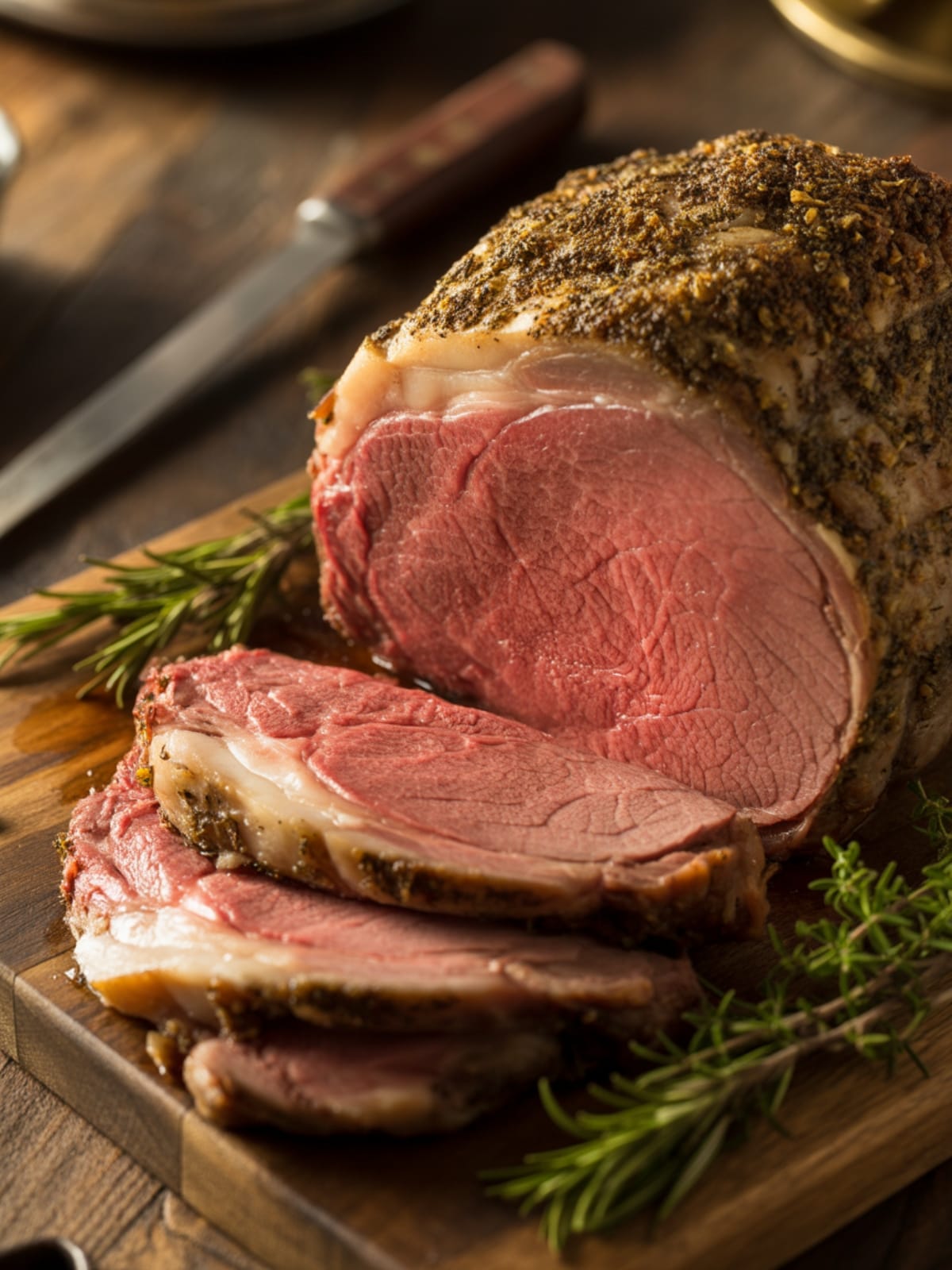
This boneless prime rib roast recipe isn’t just another way to cook beef – it’s a culinary experience that transforms your dining room into the best steakhouse in town.
The beauty lies in its elegant simplicity: high-quality beef, aromatic herbs, and proper technique combine to create unmatched flavor and texture. What makes this recipe truly special is how it balances accessibility with impressive results. Despite its reputation as a “special occasion only” dish, the method here is surprisingly straightforward.
The reverse-sear technique eliminates the guesswork, allowing you to achieve that perfect medium-rare center with a consistent doneness edge-to-edge – something that challenges even experienced chefs. The herb crust creates an incredible flavor foundation, while allowing the natural richness of the prime beef to remain the star. And unlike other methods that might leave you anxiously checking the meat, this approach gives you reliable results every time, freeing you to enjoy your gathering rather than hovering over the oven.
Equipment needed: Roasting pan with rack, meat thermometer, kitchen twine, cutting board, sharp knife
Boneless Prime Rib Roast
Ingredients
- 1 4-pound boneless prime rib roast, ideally USDA Choice or Prime grade
- 2 tablespoons kosher salt
- 1 tablespoon freshly ground black pepper
- 2 tablespoons fresh rosemary finely chopped
- 2 tablespoons fresh thyme leaves
- 6 garlic cloves minced
- 3 tablespoons unsalted butter softened
- 2 tablespoons olive oil
- 1 tablespoon Dijon mustard optional, adds depth
- 2 cups beef broth for au jus, optional
Instructions
- Prepare the roast by removing it from the refrigerator 2-3 hours before cooking to allow it to come to room temperature. This crucial step ensures even cooking throughout the meat.
- Preheat your oven to 250°F (120°C). The low temperature is essential for the reverse-sear method that will give your roast perfect edge-to-edge doneness.
- Make the herb rub by combining rosemary, thyme, garlic, softened butter, olive oil, salt, pepper, and Dijon mustard (if using) in a small bowl until well blended.
- Pat the roast completely dry with paper towels. Any moisture on the surface will interfere with proper browning and crust development.
- Tie the roast with kitchen twine at 1-inch intervals to help it maintain its shape during cooking, ensuring even heat distribution.
- Coat the entire roast generously with the herb-butter mixture, massaging it into all surfaces including the ends.
- Place the roast fat-side up on a rack in a roasting pan. The rack allows air circulation for even cooking.
- Insert a meat thermometer into the thickest part of the meat, being careful not to touch fat or the pan.
- Roast in the preheated oven until the internal temperature reaches 120°F (49°C) for medium-rare or 130°F (54°C) for medium, approximately 1.5-2 hours depending on size.
- Remove from the oven and tent loosely with foil. Let it rest for 20-30 minutes while you increase the oven temperature to 500°F (260°C).
- Return the roast to the very hot oven for 5-10 minutes to create a beautiful brown crust. Watch carefully to prevent burning!
- Remove and let rest for another 10 minutes before slicing against the grain into ½-inch thick slices.
Notes
- For best results, order your prime rib roast from a butcher ahead of time, specifying that you want a center-cut boneless roast with good marbling.
- The reverse-sear method (slow roasting followed by high-heat finishing) provides more control and even cooking than traditional methods.
- A digital probe thermometer that can stay in the meat while cooking provides the most reliable temperature reading.
- Save the drippings to make a simple au jus by combining with beef broth in a saucepan and simmering until slightly reduced.
- The prime rib can be seasoned up to 24 hours in advance and stored uncovered in the refrigerator for enhanced flavor development.
Calories & Nutritional Info
- Calories: Approximately 350-400 calories per 6-ounce serving
- Protein: 35-40g per serving
- Fat: 20-25g per serving
- Carbohydrates: 1-2g per serving
- Allergens: Contains dairy (butter)
- Diet compatibility: Suitable for low-carb, keto, and gluten-free diets
Common Mistakes to Avoid
- Not bringing the meat to room temperature – Cold meat straight from the refrigerator will cook unevenly, leaving the center raw while the outside overcooks.
- Relying on cooking time instead of temperature – Size, shape, and starting temperature all affect cooking time; always use a thermometer for perfect results.
- Skipping the resting period – Cutting the meat immediately after cooking causes all those flavorful juices to run out onto your cutting board instead of redistributing throughout the meat.
- Seasoning too lightly – Prime rib is a thick cut that needs generous seasoning to enhance its rich flavor throughout.
- Overcooking – Remember that the meat’s temperature will rise 5-10 degrees during resting, so remove it from the oven earlier than your final desired temperature.
Alternatives & Substitutions
- Herbs: Dried herbs can replace fresh at a ratio of 1:3 (1 teaspoon dried equals 3 teaspoons fresh), though the flavor won’t be quite as vibrant.
- Butter alternative: For dairy-free options, substitute with olive oil or a plant-based butter.
- Budget option: Eye of round roast can be prepared using the same method for a more affordable alternative, though it won’t be as tender or marbled.
- Seasoning variations: Try adding crushed peppercorns, smoked paprika, or a tablespoon of horseradish to the herb mixture for different flavor profiles.
- Make-ahead option: Season the roast up to 24 hours in advance and refrigerate uncovered for a deeper flavor and better crust.
FAQs
What’s the difference between prime rib and ribeye?
Prime rib is a large roasting cut that contains the ribeye, while ribeye is a steak cut from the same muscle. They share the same delicious flavor profile, but prime rib is cooked as a larger roast with more fat content that bastes the meat during cooking.
How do I know which grade of beef to buy?
For the best boneless prime rib roast, look for USDA Prime (most marbling, most expensive) or Choice (good marbling, more affordable). Select grade will work but won’t be as tender or flavorful due to less marbling.
Can I make this recipe without a meat thermometer?
While possible, I strongly discourage it. A meat thermometer is absolutely essential for perfect prime rib – the difference between perfectly medium-rare and overdone can be just minutes in the oven.
What’s the best way to reheat leftover prime rib without overcooking it?
Wrap slices in foil with a splash of beef broth and heat in a 250°F oven until just warmed through (about 10-15 minutes). Alternatively, reheat briefly in a skillet with melted butter over low heat.
How much prime rib should I buy per person?
Plan for about ½-¾ pound per person for a bone-in roast, or ⅓-½ pound per person for a boneless prime rib roast. Increase slightly if you want leftovers (and trust me, you’ll want leftovers!).
Final Thoughts
Creating a perfect boneless prime rib roast at home is one of those cooking achievements that brings immense satisfaction. There’s something almost magical about transforming a simple (albeit premium) cut of beef into a feast-worthy centerpiece through proper technique and patience. Don’t be intimidated by its reputation – with this method, you’ll nail it every time. Your kitchen will be filled with mouthwatering aromas, and the moment you reveal that perfectly pink, juicy interior will be absolutely worth the effort.