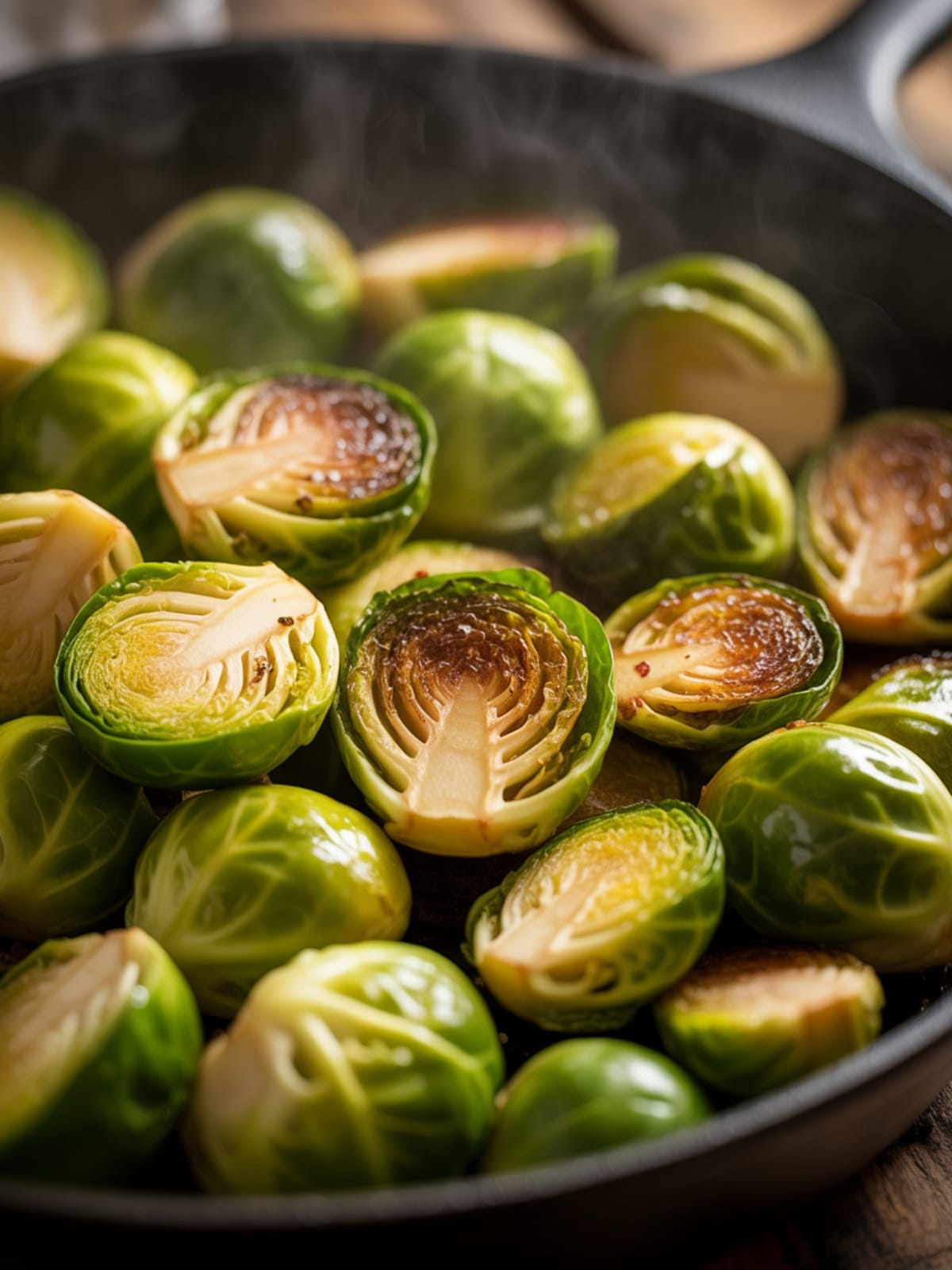
Remember when Brussels sprouts were the vegetable everyone loved to hate? Those days are long gone! When properly prepared, these miniature cabbages transform into caramelized, nutty bites of pure vegetable bliss.
The secret? A hot pan, a splash of oil, and knowing exactly when they’re done. I’m about to show you how to make Sauteed Brussels Sprouts that will convert even the most stubborn skeptics at your table.
Why This Recipe is Awesome
What makes these Sauteed Brussels Sprouts special is their beautiful caramelization—that magical process that transforms their natural sugars into a complex, nutty flavor that’s simply irresistible.
Unlike boiled or steamed sprouts (which can turn mushy and release that infamous sulfurous smell), sautéing keeps them bright green with delightful crispy edges. This recipe strikes the perfect balance between simplicity and flavor. With just a handful of ingredients, it’s accessible enough for a weeknight side dish but sophisticated enough to serve at a dinner party.
The preparation is straightforward, which means you can focus on perfecting the technique rather than juggling complicated steps.
Equipment needed: Large skillet or sauté pan, sharp knife, cutting board
Sauteed Brussels Sprouts
Ingredients
- 1 pound fresh Brussels sprouts trimmed and halved
- 2 tablespoons olive oil or butter or a combination
- 2-3 cloves garlic minced
- 1 tablespoon fresh lemon juice
- Salt and freshly ground black pepper to taste
- Optional: 2 tablespoons grated Parmesan cheese
- Optional: Pinch of red pepper flakes for heat
- Optional: 1 tablespoon balsamic vinegar for additional depth
Instructions
- Prepare the Brussels sprouts by trimming off the tough stem ends and removing any discolored outer leaves. Cut each sprout in half lengthwise through the stem. (For larger sprouts, you might want to quarter them for more even cooking.)
- Heat your skillet over medium-high heat until it’s properly hot. This is crucial for achieving caramelization rather than steaming the sprouts.
- Add the oil or butter to the hot pan and swirl to coat the surface evenly. Wait until the fat is shimmering but not smoking.
- Place the Brussels sprouts cut-side down in a single layer in the hot pan. Don’t overcrowd the pan – cook in batches if necessary. Let them cook undisturbed for 3-4 minutes until the bottoms develop a deep golden-brown color.
- Toss or stir the sprouts and continue cooking for another 3-4 minutes, stirring occasionally, until they’re tender-crisp when pierced with a fork.
- Add the minced garlic to the pan and cook for just 30 seconds until fragrant, being careful not to let it burn.
- Season with salt and pepper to taste, then remove the pan from heat.
- Sprinkle with fresh lemon juice and toss to combine. Add any optional ingredients like Parmesan cheese, red pepper flakes, or balsamic vinegar at this stage.
- Serve immediately while hot and crispy for the best flavor and texture.
Notes
- For the best caramelization, make sure your Brussels sprouts are completely dry before adding them to the pan. Any moisture will create steam and prevent browning.
- Don’t move the sprouts too frequently during the initial searing phase – giving them time to develop a crust is key to developing flavor.
- If you prefer your sprouts more tender throughout, you can add 2 tablespoons of water to the pan after they’ve browned, then cover and steam for 1-2 minutes.
- This dish is best served fresh, but leftovers can be refrigerated for 2-3 days and reheated in a hot skillet to restore some crispness.
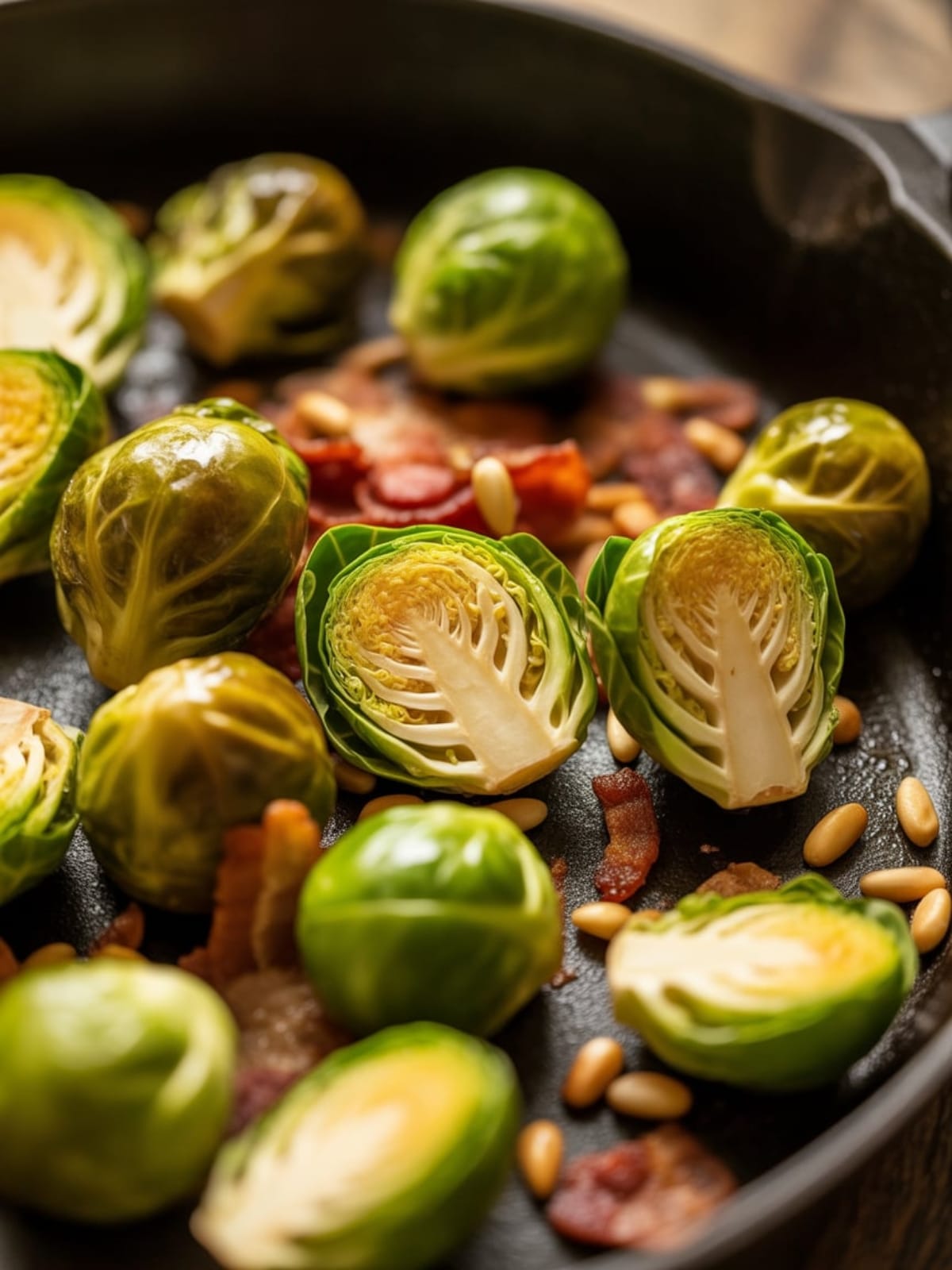
- For an elevated version, try adding crispy bacon bits, toasted pine nuts, or a drizzle of maple syrup to complement the sprouts’ natural flavors.
Calories & Nutritional Info
- Calories: Approximately 110-120 calories per serving
- Protein: 4g per serving
- Carbohydrates: 12g per serving
- Fiber: 5g per serving
- Fat: 7g per serving (primarily healthy fats from olive oil)
- Dietary notes: Naturally gluten-free, vegan if made with olive oil instead of butter, low-carb, and keto-friendly
Common Mistakes to Avoid
- Overcrowding the pan: This causes the sprouts to steam rather than sauté, resulting in soggy sprouts instead of crispy ones. Work in batches if necessary.
- Using low heat: Brussels sprouts need high heat to caramelize properly. Don’t be afraid to get your pan hot!
- Cutting sprouts inconsistently: Uneven sizes will cook at different rates, leaving some burnt and others undercooked.
- Adding garlic too early: Garlic burns easily and turns bitter. Add it only in the final minute of cooking.
- Underseasoning: Brussels sprouts benefit greatly from proper seasoning. Don’t be shy with the salt and pepper.
Alternatives & Substitutions
- For a dairy-free version: Use only olive oil instead of butter or a butter substitute.
- For added sweetness: Add 1 tablespoon of maple syrup or honey when tossing the sprouts at the end.
- For protein boost: Add cooked bacon bits, pancetta, or toasted walnuts for texture and flavor.
- Spice variations: Try smoked paprika, curry powder, or Italian seasoning for different flavor profiles.
- Acid alternatives: Replace lemon juice with balsamic vinegar, apple cider vinegar, or white wine for different flavor notes.
- Can’t find fresh sprouts? Frozen Brussels sprouts can work but won’t get quite as crispy. Thaw and pat them very dry before cooking.
FAQs
Why are my Brussels sprouts bitter?
Brussels sprouts contain compounds that can taste bitter, especially when undercooked. Make sure to cook them until properly caramelized, as this process breaks down those compounds. Adding a touch of sweetness (like balsamic vinegar) or acidity (like lemon juice) also helps balance any remaining bitterness.
Can I prepare Brussels sprouts ahead of time?
You can trim and halve Brussels sprouts up to 2 days in advance. Store them in an airtight container in the refrigerator. However, for the best texture and flavor, I recommend sautéing them just before serving, as they lose their crispiness when reheated.
How do I know when Brussels sprouts are done cooking?
Perfectly cooked Sauteed Brussels Sprouts should be golden brown on the outside and tender-crisp when pierced with a fork. They should still have a slight bite to them – if they’re mushy, they’re overcooked.
Can I use frozen Brussels sprouts for this recipe?
While fresh is best for sautéing, you can use frozen in a pinch. Thaw them completely and pat them very dry with paper towels before cooking. Be aware they won’t get quite as crispy as fresh ones but will still be tasty.
What main dishes pair well with Sauteed Brussels Sprouts?
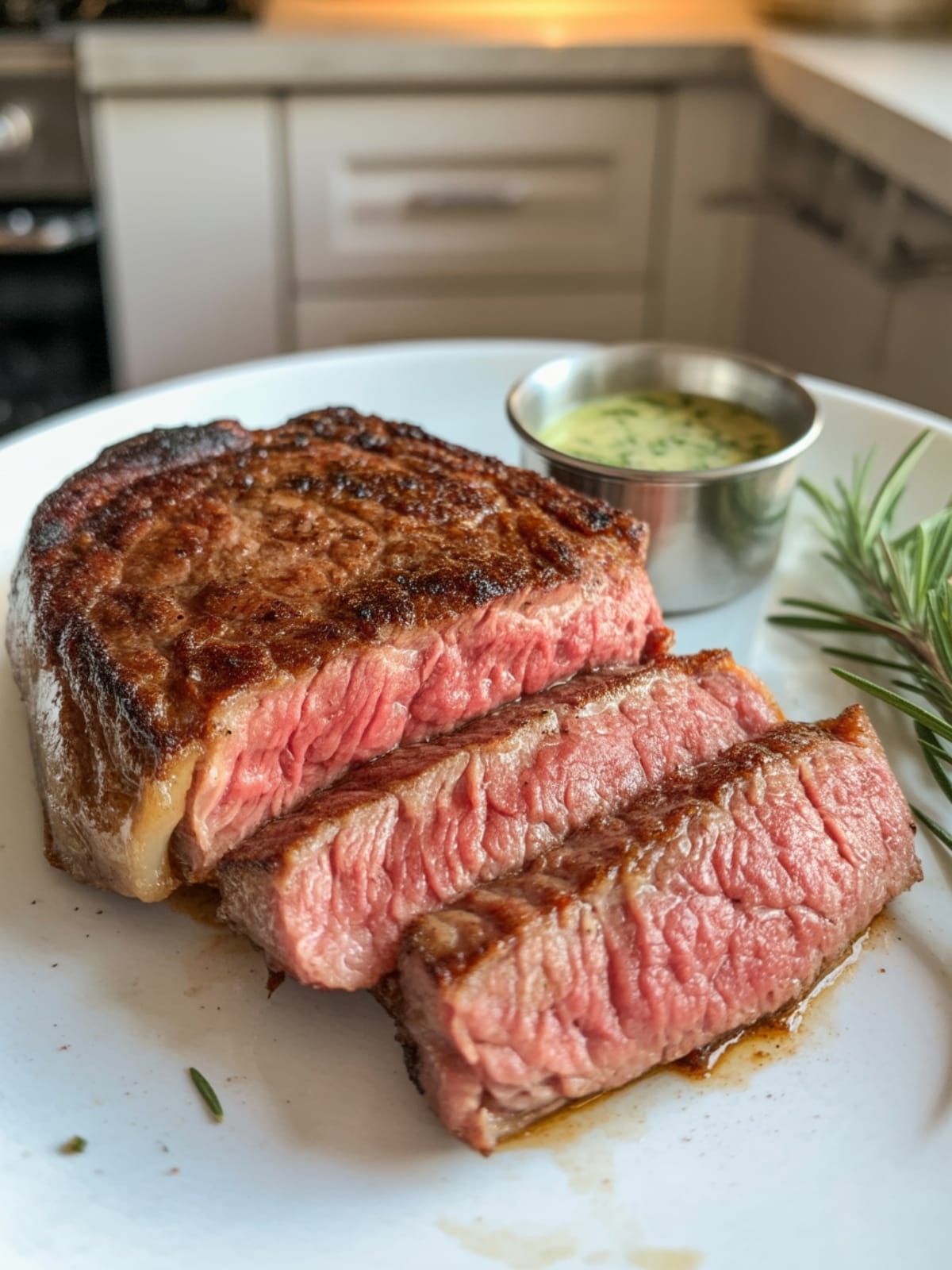
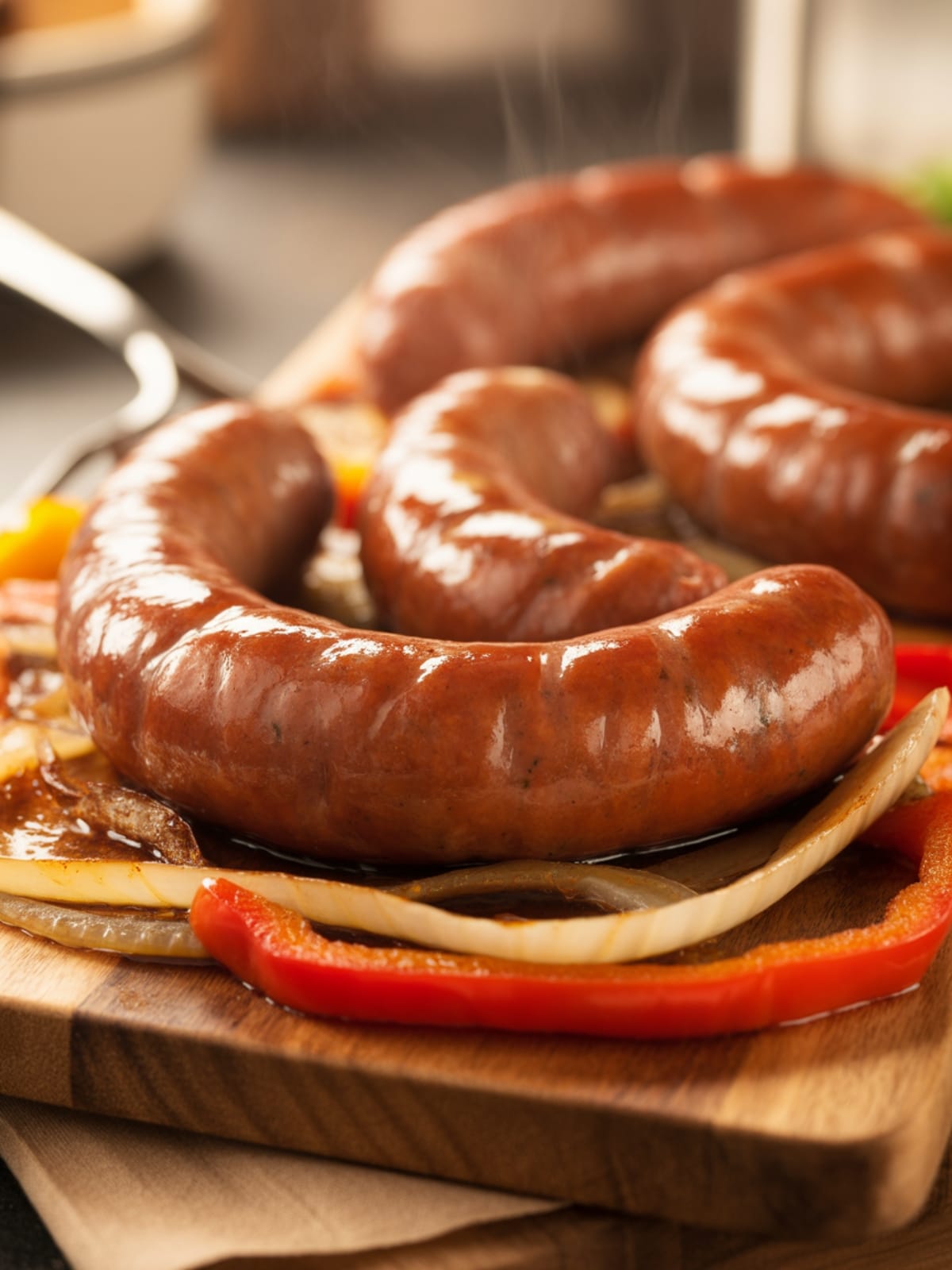
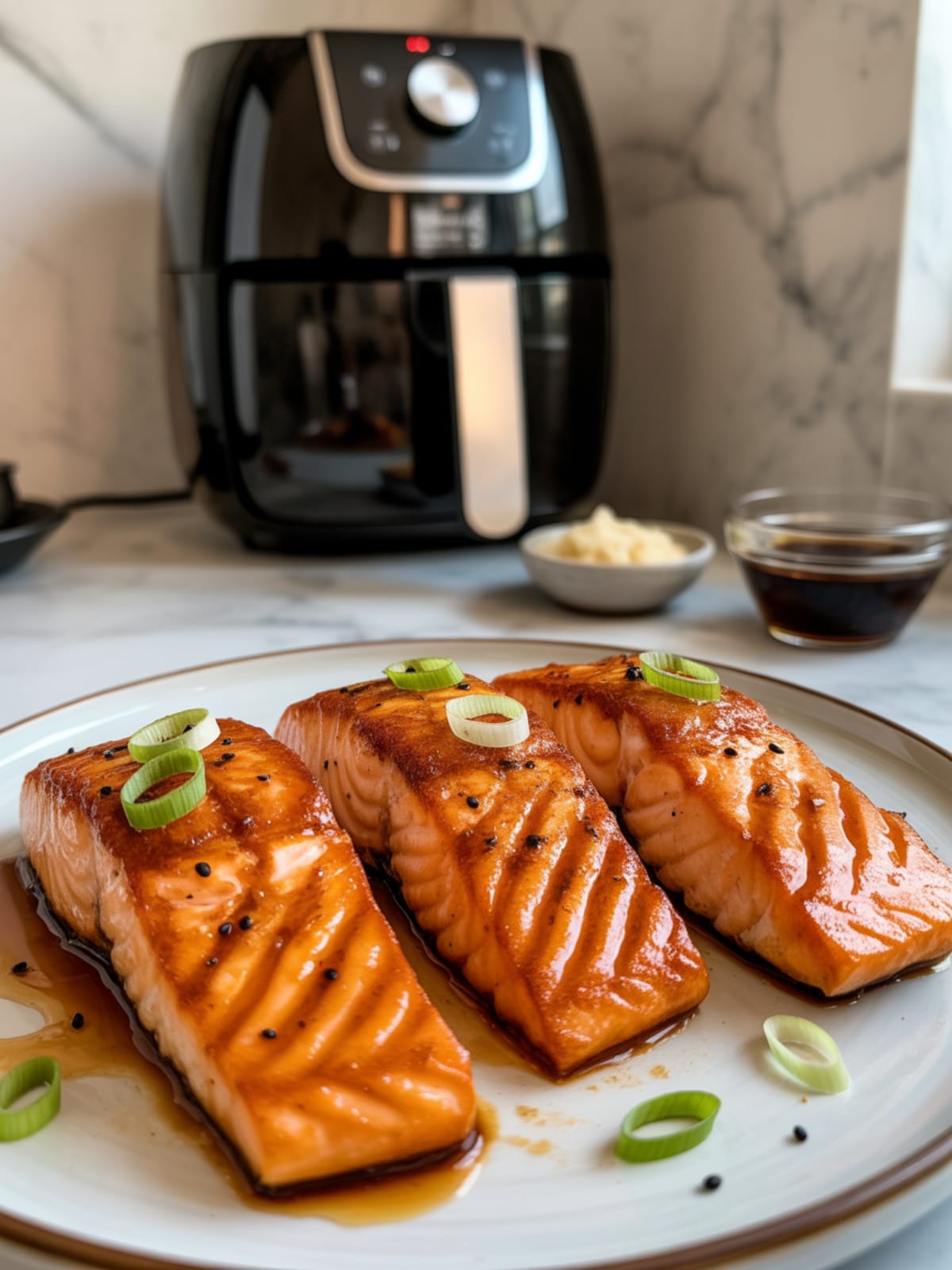
These versatile sprouts pair beautifully with roasted chicken, grilled steak, baked salmon, or pork chops. They’re also excellent alongside holiday favorites like turkey and ham. For a vegetarian meal, serve them with a hearty grain like quinoa or farro.
Final Thoughts
Once you master these Sauteed Brussels Sprouts, you’ll find yourself craving what was once the most maligned vegetable on the planet. The magic lies in that perfect caramelization – those crispy edges and tender centers that transform humble sprouts into something truly special. Don’t be surprised if this simple side dish steals the show at your next meal!