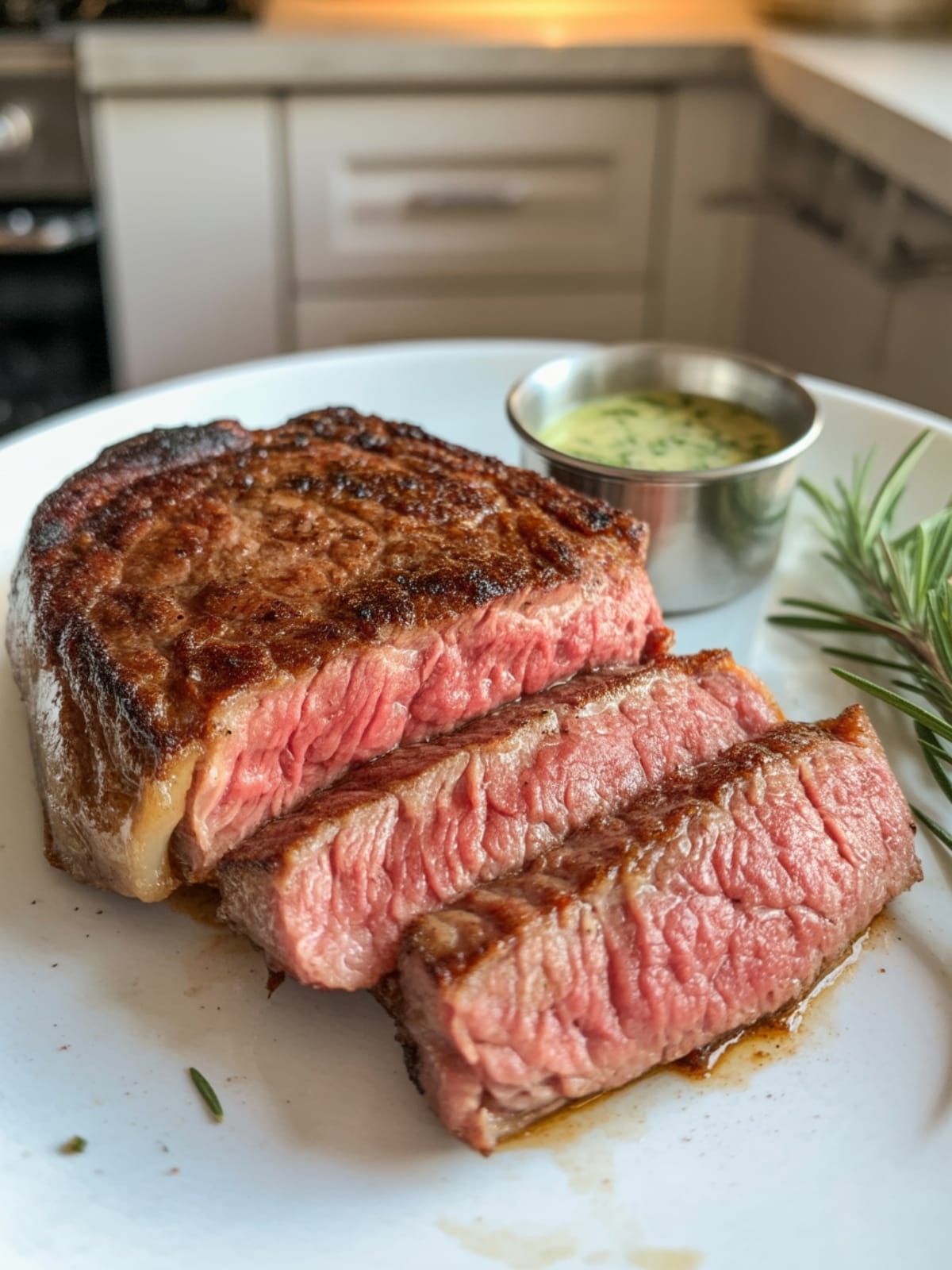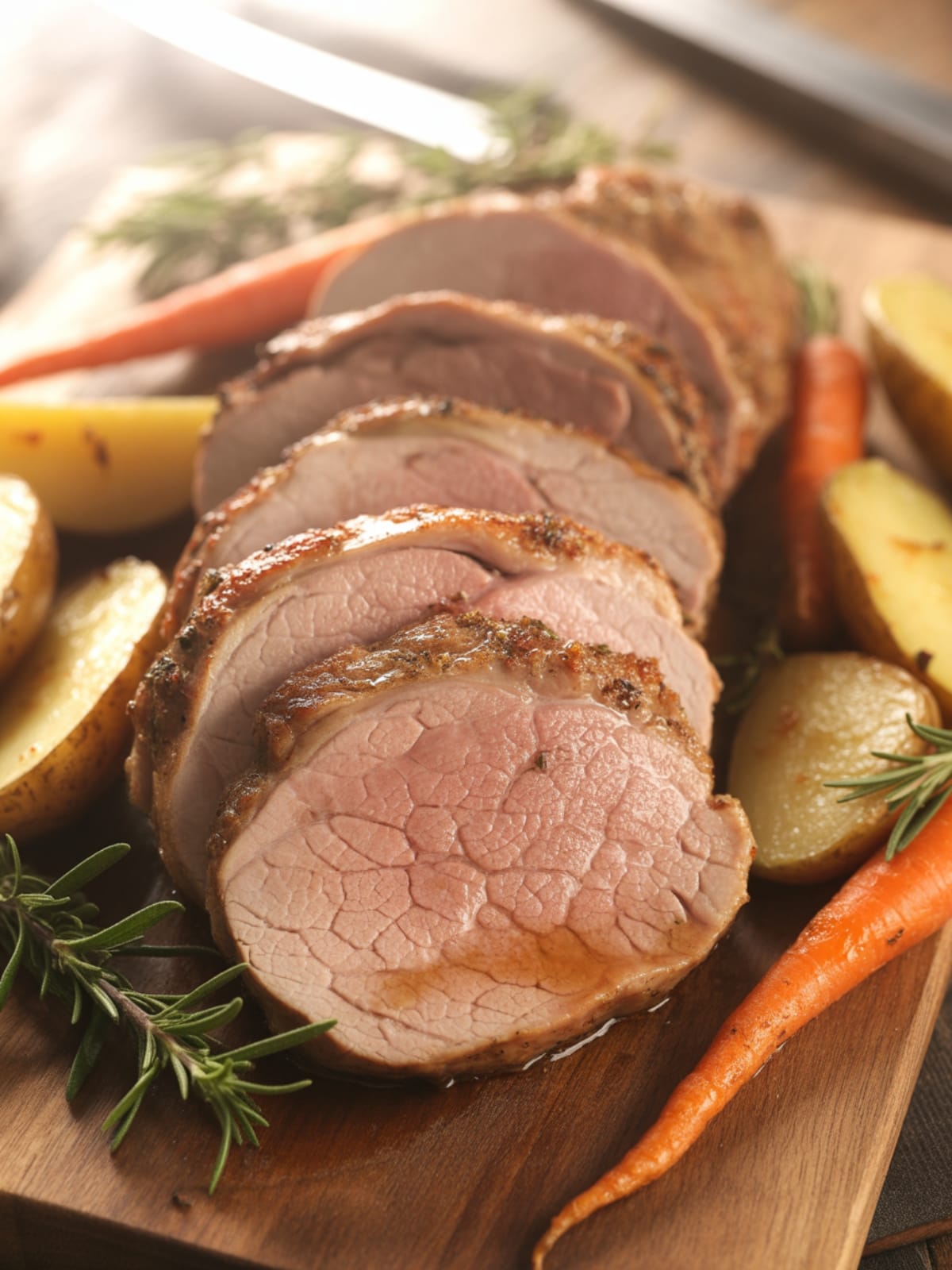
There’s nothing quite like slicing into a perfectly cooked pork tenderloin – that moment when you see the juicy, rosy center and know dinner is going to be incredible. If you’ve been intimidated by cooking this lean cut, I’m here to tell you it’s actually one of the most forgiving meats you can make. With just a few simple techniques, you’ll be serving up restaurant-quality juicy and tender pork tenderloin that will have everyone asking for seconds.
Why This Recipe is Awesome
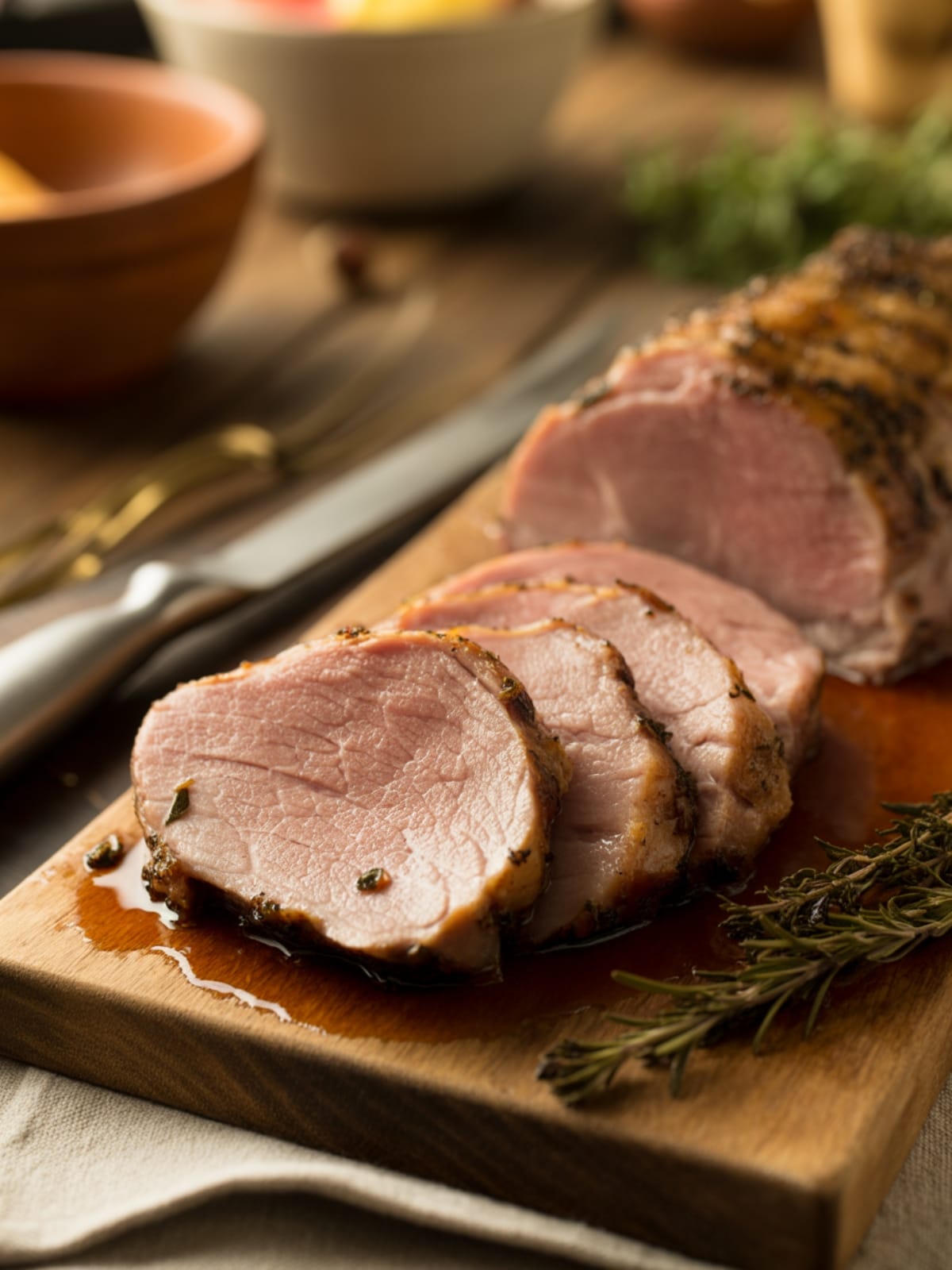
This juicy and tender pork tenderloin recipe stands out because it delivers maximum flavor with minimal effort.
Unlike other cuts of pork that can easily dry out, tenderloin stays remarkably moist when cooked properly.
What makes this method special is the perfect balance of searing and roasting. The quick stovetop sear creates a flavorful crust that seals in juices, while the gentle oven finish brings the meat to the ideal temperature without overcooking.
I particularly love how versatile this recipe is. The simple seasoning creates a beautiful canvas for any sauce or side dish you’d like to pair with it.
Plus, at around $5-7 per pound, tenderloin delivers gourmet results at a weeknight-friendly price.
Equipment needed: Cast iron skillet or oven-safe pan, meat thermometer, tongs, cutting board, aluminum foil
Juicy Pork Tenderloin
Ingredients
- 1 pork tenderloin approximately 1-1.5 pounds
- 2 tablespoons olive oil
- 2 cloves garlic minced
- 1 tablespoon fresh rosemary chopped (or 1 teaspoon dried)
- 1 tablespoon fresh thyme leaves or 1 teaspoon dried
- 1 teaspoon kosher salt
- 1/2 teaspoon freshly ground black pepper
- 1/2 teaspoon paprika
- 1 tablespoon unsalted butter
Instructions
- Prepare the meat: Remove the pork tenderloin from refrigerator 30 minutes before cooking to allow it to come to room temperature. Pat the meat completely dry with paper towels – this is crucial for achieving a good sear.
- Preheat your oven to 400°F (200°C) and place a rack in the middle position.
- Season thoroughly: In a small bowl, combine minced garlic, rosemary, thyme, salt, pepper, and paprika. Drizzle the tenderloin with 1 tablespoon olive oil, then rub the seasoning mixture evenly over the entire surface of the meat.
- Heat your skillet over medium-high heat and add the remaining tablespoon of olive oil. When the oil is shimmering but not smoking, carefully place the seasoned tenderloin in the pan.
- Sear all sides of the tenderloin, turning with tongs every 1-2 minutes until you’ve achieved a rich, golden-brown crust all around (about 6-8 minutes total).
- Add butter to the pan and briefly tilt to coat the meat as it melts.
- Transfer the entire skillet to the preheated oven and roast for 15-18 minutes, or until an instant-read thermometer inserted into the thickest part registers 145°F (63°C) for medium.
- Rest the meat: Remove from oven and transfer the tenderloin to a cutting board. Tent loosely with aluminum foil and let rest for 5-10 minutes. This resting period is essential for allowing the juices to redistribute throughout the meat.
- Slice against the grain into medallions approximately 1/2-inch thick and serve immediately, drizzling with any pan juices if desired.
Notes
- The silver skin (thin, silvery membrane) on the outside of the tenderloin should be removed before cooking as it can become tough. Use a sharp knife to carefully trim it away.
- For extra flavor, you can marinate the tenderloin for 2-4 hours before cooking.
- If you don’t have an oven-safe skillet, sear the meat in a regular pan, then transfer to a preheated baking dish for the oven portion.
- The pan drippings make an excellent quick sauce – after removing the meat, deglaze the hot pan with 1/4 cup wine or broth, scraping up the flavorful bits.
- Leftovers will keep for 3-4 days in the refrigerator and make excellent sandwiches.
Calories & Nutritional Info
- Calories: Approximately 220 calories per serving
- Protein: 28g per serving
- Fat: 12g per serving
- Carbohydrates: 1g per serving
- This recipe is gluten-free, dairy-free (if butter is omitted), and low-carb
- Pork tenderloin is one of the leanest cuts of meat available, comparable to skinless chicken breast
Common Mistakes to Avoid
- Overcooking: The biggest mistake with tenderloin is cooking it too long. Invest in a meat thermometer and pull it from the oven at 145°F for perfect doneness.
- Skipping the rest period: Cutting into the meat immediately will cause all those beautiful juices to run out onto your cutting board instead of remaining in the meat.
- Not patting the meat dry: Moisture on the surface of the meat will prevent proper browning and searing.
- Cooking it straight from the refrigerator: Cold meat will cook unevenly. Always allow 20-30 minutes for it to come to room temperature.
- Confusing tenderloin with loin: Pork loin is a much larger cut that requires different cooking times. Make sure you’ve purchased an actual tenderloin (about 1-1.5 pounds).
Alternatives & Substitutions
- Herbs: Substitute sage, oregano, or tarragon for the rosemary and thyme if preferred.
- Spice it up: Add 1/4 teaspoon cayenne pepper or red pepper flakes for heat.
- Sweetness: Include 1 tablespoon brown sugar or honey in your seasoning mix for a subtle sweet crust.
- Marinade option: Instead of the dry rub, marinate in a mixture of soy sauce, honey, garlic, and ginger for an Asian-inspired flavor.
- Bacon wrap: For extra richness, wrap the seasoned tenderloin in bacon strips before searing and roasting.
- Cooking method alternative: If you prefer, this can be grilled over medium heat for the same amount of time instead of using the oven.
FAQs
How do I know when my pork tenderloin is done?
The most reliable method is using a meat thermometer inserted into the thickest part, which should read 145°F (63°C) for medium doneness with a slightly pink center. If you don’t have a thermometer, the meat should be firm but still slightly springy when pressed.
Can I cook pork tenderloin in a slow cooker instead?
You can, but you’ll miss out on the caramelized exterior that makes this recipe special. If using a slow cooker, sear it first, then cook on low for 2-3 hours until it reaches 145°F. Be careful as slow cookers can easily overcook this lean cut.
Why is my pork tenderloin always dry?
The most common reason is overcooking. Modern pork is safe at 145°F with a pink center. If you’re cooking to 160°F or beyond (the old recommendation), you’re guaranteed dry meat. Also, don’t skip the resting period after cooking!
What’s the difference between pork loin and pork tenderloin?
They’re entirely different cuts. Tenderloin is small (1-1.5 pounds), cylindrical, and very lean. Pork loin is much larger, wider, sometimes has a fat cap, and requires longer cooking. They cannot be substituted for each other in recipes.
What sides pair well with pork tenderloin?
This versatile meat pairs beautifully with roasted vegetables, mashed potatoes, rice pilaf, or a simple salad. For a complete meal, I love serving it with roasted Brussels sprouts and sweet potato puree or applesauce.
Final Thoughts
Mastering juicy and tender pork tenderloin is one of those cooking skills that delivers impressive results with surprisingly little effort. Once you’ve tried this method, you’ll find yourself turning to it again and again for everything from casual family dinners to special occasions. The beauty lies in its simplicity – quality ingredients prepared with care always shine brightest. Happy cooking!